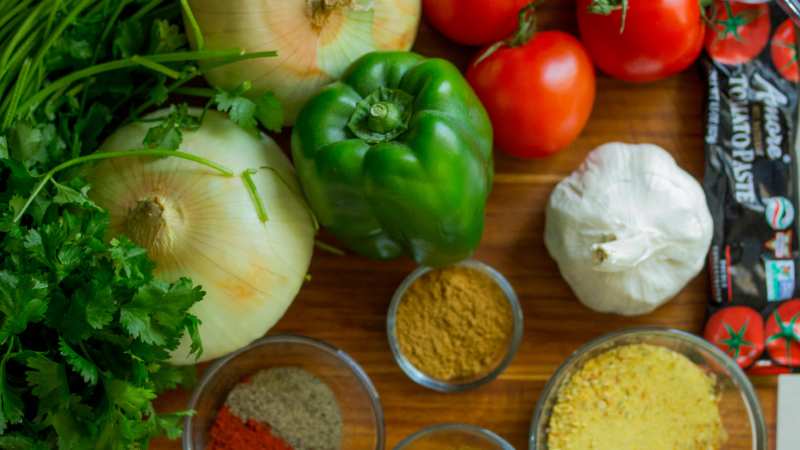
Food is more than just fuel. It’s an experience. It’s comfort on a bad day, celebration on a good day, and energy for everything in between. But have you ever wondered why some foods taste amazing while others feel bland? Or why certain ingredients make you feel energized while others leave you sluggish?
The answer lies in the science behind good food. Every ingredient carries chemical compounds, nutrients, and physical properties that influence flavor, texture, aroma, and nutrition. Understanding how ingredients shape flavor and nutrition can completely change how you see food. This knowledge is especially powerful when planning a healthy dinner, where balanced ingredients and smart cooking methods make all the difference. It’s like discovering the hidden engine inside your favorite car—you suddenly appreciate every part more.
Let’s dive deep into the fascinating science of food.
What is Food Science and Why Does It Matter?
Food science is the study of how ingredients interact with each other and with our bodies. It combines chemistry, biology, and physics to explain what happens when we cook, eat, and digest food.
Think of it like a backstage crew in a theater. You don’t see them, but they make the show possible.
Food science helps us understand:
- Why bread rises
- Why grilled meat tastes better
- Why fresh fruits are healthier
- Why spices enhance flavor
Without food science, cooking would be guesswork instead of a predictable and enjoyable process.
The Five Basic Tastes That Define Flavor
Every flavor you experience comes from five basic tastes. These tastes act like musical notes, combining to create complex flavor symphonies.
Sweet: The Energy Signal
Sweetness comes from sugars like glucose and fructose. It signals energy-rich food. Fruits, honey, and carbohydrates trigger this taste.
Your brain loves sweetness because it means fuel.
Salty: The Balance Keeper
Salt enhances flavor and maintains fluid balance in your body. Sodium ions activate receptors on your tongue, making food taste richer.
Ever noticed how a pinch of salt makes everything better? That’s science in action.
Sour: The Freshness Indicator
Sour taste comes from acids like citric acid in lemons or lactic acid in yogurt. It often indicates freshness or fermentation.
Bitter: The Warning Signal
Bitterness evolved as a defense mechanism. Many toxic substances taste bitter. However, healthy foods like coffee, dark chocolate, and vegetables also contain beneficial bitter compounds.
Umami: The Savory Secret
Umami is the savory taste found in meat, cheese, mushrooms, and tomatoes. It comes from glutamate, an amino acid.
It’s what makes food deeply satisfying.
Aroma: The Invisible Part of Flavor
Here’s something surprising: up to 80% of flavor comes from smell, not taste.
When you chew food, aroma molecules travel to your nose. That’s why food tastes bland when you have a cold.
Ingredients like garlic, herbs, and spices release volatile compounds that create unique aromas. These compounds transform simple meals into unforgettable experiences.
The Maillard Reaction: The Secret Behind Delicious Browning
Have you ever wondered why grilled steak tastes better than boiled meat?
The answer is the Maillard reaction.
This chemical reaction happens when proteins and sugars are heated together. It creates hundreds of new flavor compounds.
Examples include:
- Golden brown bread crust
- Roasted coffee beans
- Grilled meat
- Toasted marshmallows
This reaction adds depth, complexity, and richness to food.
It’s why browning equals flavor.
Caramelization: Turning Sugar into Flavor Gold
Caramelization occurs when sugar is heated. It breaks down and forms new compounds with rich, sweet, and slightly bitter flavors.
This process creates:
- Caramel sauce
- Roasted vegetables
- Toasted sugar toppings
Caramelization enhances both taste and aroma.
Fermentation: Nature’s Flavor Laboratory
Fermentation relies on friendly bacteria and yeast to naturally change and enhance food.
Examples include:
- Yogurt
- Cheese
- Bread
- Kimchi
Fermentation improves flavor, texture, and nutrition. It also creates probiotics that support gut health.
It’s like letting nature cook for you.
How Proteins Shape Texture and Nutrition
Proteins are building blocks. They provide structure and repair tissues in your body.
In food, proteins influence texture.
For example:
- Eggs become firm when cooked
- Meat becomes tender when slow-cooked
- Dough becomes elastic due to gluten
Protein also keeps you full longer.
How Fats Enhance Flavor and Mouthfeel
Fat is not the enemy. It’s actually essential for flavor.
Fat carries flavor molecules and creates smooth texture. It makes food feel rich and satisfying.
Examples include:
- Butter in baking
- Olive oil in cooking
- Cream in desserts
Fat also helps absorb vitamins A, D, E, and K.
Carbohydrates: Energy and Structure Providers
Carbohydrates provide energy and structure.
They exist in foods like:
- Rice
- Bread
- Fruits
- Vegetables
Carbs also affect texture. For example, flour creates structure in bread.
Micronutrients: Small but Powerful
Micronutrients include vitamins and minerals. They support essential body functions.
Examples include:
- Vitamin C boosts immunity
- Iron carries oxygen
- Calcium strengthens bones
Ingredients rich in micronutrients improve overall health.
Fresh vs Processed Ingredients: What’s the Difference?
Fresh ingredients usually retain more nutrients and natural flavor.
Processed foods often contain:
- Added sugars
- Preservatives
- Artificial flavors
Fresh foods provide better nutrition and taste.
Think of fresh ingredients as live music, while processed foods are recorded versions.
Antioxidants: Natural Health Protectors
Antioxidants protect your cells from damage.
They are found in:
- Berries
- Vegetables
- Nuts
- Green tea
These compounds improve health and reduce disease risk.
Herbs and Spices: Tiny Ingredients, Huge Impact
Herbs and spices enhance flavor naturally.
Examples include:
- Turmeric reduces inflammation
- Garlic supports immunity
- Cinnamon regulates blood sugar
They add flavor without extra calories.
How Cooking Methods Affect Nutrition
Cooking changes nutrient content.
Boiling
May reduce water-soluble vitamins.
Grilling
Enhances flavor through Maillard reaction.
Steaming
Preserves nutrients best.
Frying
Adds fat and calories.
Choosing the right method improves both taste and nutrition.
Food Pairing: Why Some Combinations Work Better
Some ingredients naturally complement each other.
Examples include:
- Tomato and olive oil improves nutrient absorption
- Rice and beans provide complete protein
- Lemon enhances iron absorption
These combinations improve flavor and health.
How Color Influences Flavor Perception
We eat with our eyes first.
Bright colors signal freshness and nutrition.
Examples include:
- Red tomatoes contain lycopene
- Orange carrots contain beta-carotene
- Green vegetables contain chlorophyll
Color indicates health benefits.
Modern Food Science Innovations
Food science continues evolving.
Functional Foods
Foods designed to improve health.
Examples include probiotic yogurt.
Fortified Foods
Foods with added nutrients.
Examples include fortified milk and cereals.
How to Choose Ingredients for Maximum Flavor and Nutrition
Here’s how you can make better choices:
- Choose fresh ingredients
- Eat seasonal foods
- Avoid excessive processing
- Use herbs and spices
- Balance nutrients
These steps improve both taste and health.
The Future of Ingredient Science
The future includes:
- Sustainable ingredients
- Plant-based alternatives
- Personalized nutrition
Science will continue improving food quality.
Conclusion: The Hidden Science Behind Every Delicious Bite
Food is not just about taste—it’s chemistry, biology, and physics working together. Every ingredient plays a role in shaping flavor, texture, aroma, and nutrition. From the Maillard reaction that creates mouthwatering browning to antioxidants that protect your health, the science behind good food explains why ingredients matter so much.
When you understand how ingredients shape flavor and nutrition, you gain control. You can cook smarter, eat healthier, and enjoy food more deeply. It’s like unlocking a secret code that transforms everyday meals into extraordinary experiences.
The next time you cook or eat, remember—you’re not just making food. You’re creating science.
FAQs: The Science Behind Good Food
1. Why do some foods taste better when cooked?
Cooking triggers chemical reactions like the Maillard reaction and caramelization, which create new flavor compounds and enhance taste.
2. Do fresh ingredients really have more nutrients than processed ones?
Yes, fresh ingredients usually retain more vitamins, minerals, and natural compounds compared to heavily processed foods.
3. Why does fat make food taste better?
Fat carries flavor molecules and improves texture, making food richer, smoother, and more satisfying.
4. How do spices improve both flavor and health?
Spices contain antioxidants and anti-inflammatory compounds that enhance flavor while supporting overall health.
5. What is the healthiest cooking method?
Steaming is one of the healthiest methods because it preserves nutrients while maintaining flavor and texture.