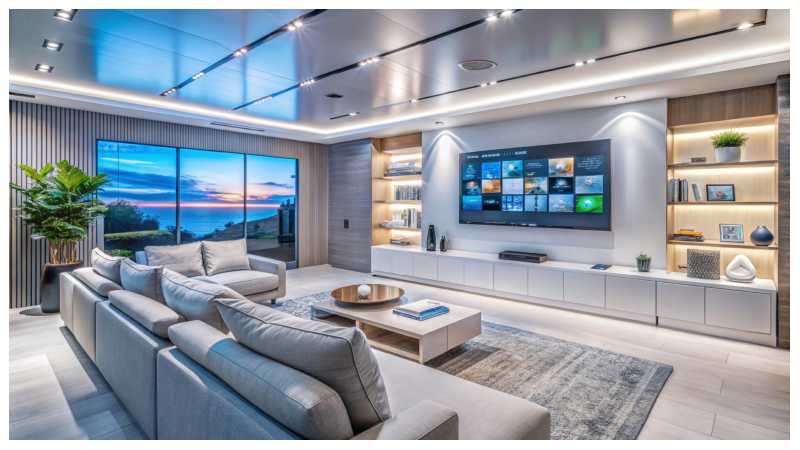
Modern living is evolving rapidly, and so is the way we design our homes. Today’s homeowners want more than just attractive interiors—they seek functionality, energy efficiency, comfort, and smart technology seamlessly integrated into everyday life. Smart home design is not just about installing gadgets; it is about creating a balanced space where innovation and aesthetics work together to improve convenience and lifestyle quality.
In this guide, we will explore practical and stylish smart home design ideas that help create a modern, efficient, and future-ready living environment.
1. Open-Concept Layouts with Smart Zoning
Open floor plans remain a popular choice in modern homes because they create spaciousness and allow natural light to flow freely. However, smart design enhances this concept by introducing functional zoning without compromising openness.
You can define areas using:
- Glass partitions
- Sliding panels
- Smart lighting controls
- Modular furniture
For example, adjustable lighting can transform a living space into a productive home office during the day and a cozy relaxation zone in the evening. If you’re looking for more modern home inspiration and design insights, you can explore creative ideas at https://thehometrotters.uk/ for contemporary living solutions.
2. Intelligent Lighting Systems
Lighting significantly impacts mood, productivity, and energy consumption. Smart lighting systems allow homeowners to control brightness, color temperature, and scheduling through mobile apps or voice assistants.
Key benefits include:
- Motion-sensor activation
- Automated scheduling
- Energy-efficient LED usage
- Mood-based lighting settings
Layered lighting—ambient, task, and accent—combined with automation improves both design and functionality. Smart lighting reduces electricity waste while enhancing the atmosphere of your home.
3. Energy-Efficient Smart Appliances
Sustainability is a major focus in modern living. Smart appliances help reduce energy usage while improving convenience. Devices such as smart refrigerators, washing machines, ovens, and thermostats can be controlled remotely and optimized for better performance.
Smart thermostats learn your schedule and adjust temperature automatically to save energy. Real-time energy monitoring systems help track usage and lower utility bills.
Creating an energy-efficient home supports long-term savings and environmental responsibility.
4. Advanced Home Security Integration
Security is an essential part of smart home design. Modern security systems include:
- Video doorbells
- Smart locks
- Motion-detection cameras
- Remote access monitoring
These systems allow you to monitor and control your home from anywhere through your smartphone. Sleek, minimal designs ensure security devices blend seamlessly with your interior style.
A smart home should provide both comfort and peace of mind.
5. Multi-Functional Furniture for Modern Spaces
With urban living spaces becoming more compact, multi-functional furniture has become a necessity. Smart design focuses on maximizing every square foot.
Consider options such as:
- Sofa beds with storage
- Foldable dining tables
- Wall-mounted desks
- Modular storage systems
Minimalist design paired with hidden storage keeps spaces clutter-free and organized. A clean environment enhances mental clarity and overall comfort.
6. Smart Kitchen Innovations
The kitchen is the heart of any home, and smart technology makes it more efficient and enjoyable. Modern kitchens often feature:
- Touchless faucets
- Smart refrigerators with inventory tracking
- Voice-controlled cooking appliances
- Under-cabinet LED lighting
Pull-out storage systems and vertical shelving optimize space, while sleek cabinetry and neutral tones maintain a modern aesthetic. For homeowners interested in combining innovation with elegant home upgrades, platforms like https://thehometrotters.uk/ offer additional ideas for transforming everyday spaces.
7. Centralized Home Automation Systems
Home automation hubs connect lighting, climate control, security, and entertainment into one unified system. With a single app or voice command, you can:
- Adjust room temperature
- Turn off lights
- Lock doors
- Control music systems
Automation improves efficiency by allowing you to create routines such as “Away Mode,” which turns off unnecessary devices and activates security settings automatically.
8. Sustainable Materials and Eco-Friendly Design
Modern smart homes prioritize sustainability. Using eco-friendly materials enhances durability and reduces environmental impact.
Popular sustainable design elements include:
- Bamboo or reclaimed wood flooring
- Energy-efficient windows
- Low-VOC paints
- Solar panel systems
Natural light, indoor plants, and proper insulation improve air quality and reduce energy consumption. Sustainable design is no longer optional—it is a key component of responsible modern living.
For those also focusing on overall lifestyle improvement—including wellness and balanced living—valuable insights can be found at wutawhealth where healthy living concepts complement smart home environments.
9. Smart Bathrooms for Comfort and Luxury
Bathrooms are becoming personal wellness spaces. Smart features such as LED mirrors, temperature-controlled showers, automatic lighting, and water-saving fixtures combine luxury with efficiency.
Heated flooring and humidity sensors further enhance comfort while conserving resources. A well-designed bathroom promotes relaxation and convenience.
10. Modern Home Office Design
With remote work on the rise, home offices are now essential. Smart office design includes:
- Ergonomic furniture
- Adjustable standing desks
- Productivity-focused lighting
- Soundproofing solutions
Wireless charging stations and organized cable management keep the workspace neat and efficient. A smart office supports both productivity and style.
Conclusion
Smart home design is about creating a living environment that adapts to your needs. By integrating open layouts, intelligent lighting, energy-efficient appliances, advanced security, and sustainable materials, you can design a home that supports modern living.
Technology should simplify life—not complicate it. When innovation is thoughtfully combined with style and functionality, your home becomes more than just a place to live—it becomes a space that works for you.